July 28, 2026
Property ownership brings an array of ongoing maintenance responsibilities, but few occurrences cause as much immediate anxiety as discovering a fresh fracture in a wall, floor, or foundation slab. These openings can manifest as a minor aesthetic nuisance that requires simple monitoring, or they might signify a major structural issue that could lead to severe property damage over time. Property owners frequently face a difficult dilemma when attempting to determine whether a crack is merely a cosmetic blemish caused by standard aging or an indicative warning sign of a much deeper foundational failure. Gaining a comprehensive understanding of why these fissures develop allows individuals to protect their real estate investments, maintain structural safety, and avoid unnecessary panic over minor seasonal settling.
In any residential or commercial building, cracks are virtually inevitable as time progresses due to numerous unavoidable factors, including fluctuating environmental conditions, shifting soil profiles, and material aging. Certain fractures, however, present a significantly higher risk to structural integrity and require detailed attention from qualified technicians who understand load-bearing dynamics. Recognizing the warning signs of true structural distress and knowing exactly when to act can save property owners from astronomical repair bills while ensuring long-term physical safety.
Analyzing Different Types of Property Cracks
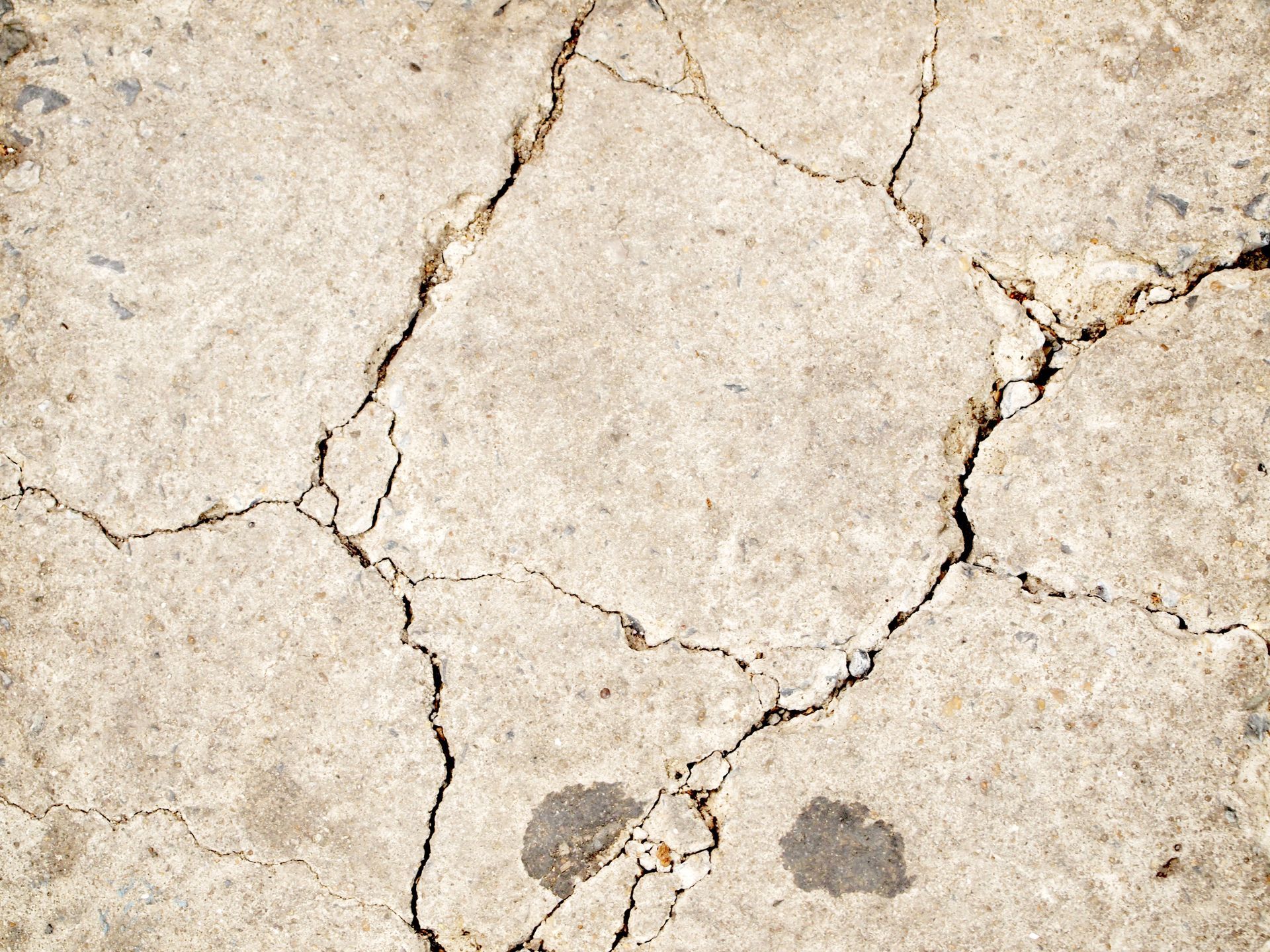
Hairline cracks are exceptionally thin lines that often appear on plastered walls, drywall joints, stucco exteriors, or paint surfaces as a building settles into its environment. These minor occurrences are generally considered cosmetic in nature and are not usually indicative of an underlying structural flaw that threatens the safety of the building. Common causes for these fine lines include minor initial settling of the structure, routine indoor temperature fluctuations, and the natural drying out of new plaster or concrete mixes during the initial curing phase. While they do not compromise the integrity of the property, tracking them over time helps confirm that they are not slowly widening into more serious gaps that could allow moisture infiltration.
On the opposite end of the spectrum, structural cracks present a serious problem and signify genuine issues with a building's foundation, load-bearing walls, or integral components. These gaps are usually significantly wider than hairline fractures and can extend deep into the walls or flooring slabs, running vertically, horizontally, or diagonally across multiple structural elements. When substantial foundational movement occurs, advanced methods such as concrete leveling are often utilized by experts to lift, align, and stabilize sunken sections of the property. Leaving these larger openings unchecked can lead to extensive water infiltration, pest infestations, and progressive structural failure that threatens the overall stability of the entire building.
Measuring Fissure Width and Tracking Growth
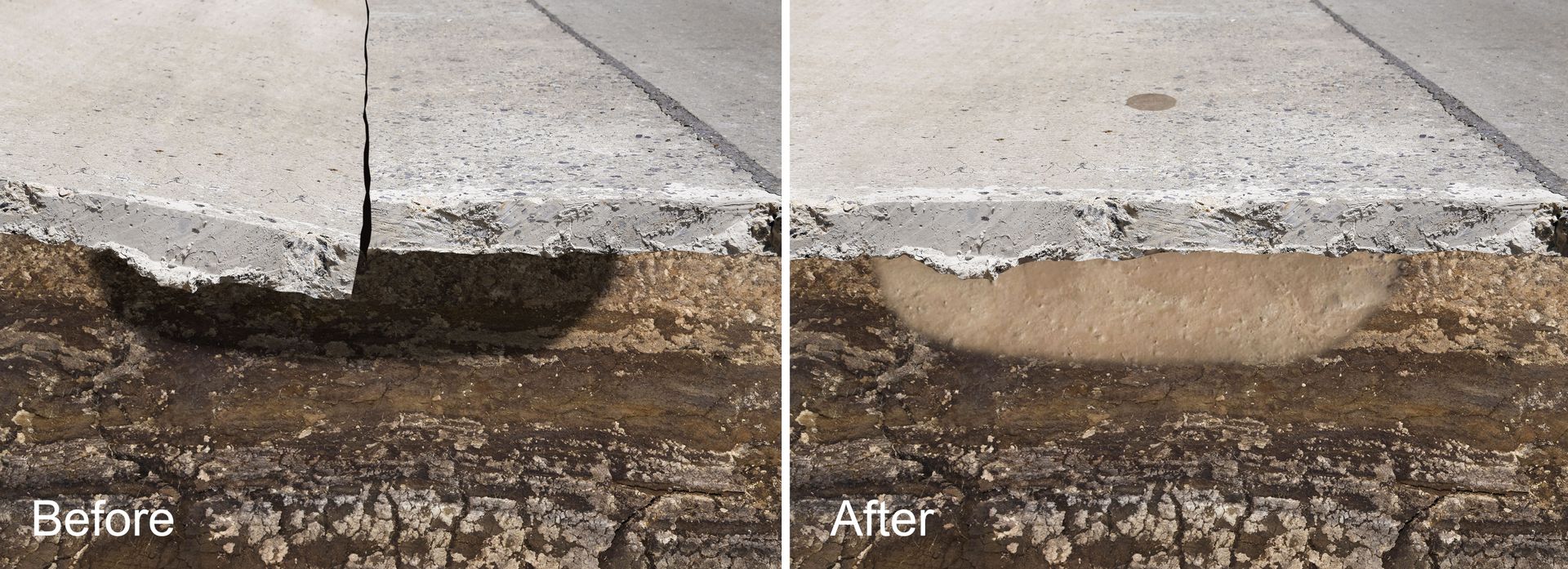
Assessing the physical dimensions of a fracture is a fundamental step in determining its overall severity and deciding on the next appropriate action. Utilizing tools like vernier calipers or specialized crack monitors can provide a precise measurement. According to SlabCalc, cracks wider than 1/4 inch, actively growing, or where one side is higher than the other should be evaluated professionally. When a slab experiences uneven shifting that causes one side to project upward, a professional team can assess if the surface requires comprehensive concrete leveling to eliminate dangerous tripping hazards and structural voids beneath the surface.
Documenting these measurements over a period of several weeks or months provides invaluable data for an engineer or foundation specialist called to evaluate the property. An expanding fracture always signals an active, progressive problem within the subgrade or the framework that requires swift professional intervention. Keeping a detailed written log accompanied by clear photography ensures that you can present an accurate history of the movement to structural technicians during their initial visit.
Evaluating Environmental and Soil Causes
Underground soil movement is a primary contributor to structural cracking, particularly in geographic regions characterized by highly expansive clay soils or fluctuating water tables. As the moisture content within the earth changes due to seasonal droughts or heavy rainfall, the soil expands and contracts significantly beneath the foundation. This cyclical movement causes the heavy framework above to shift unevenly, placing immense stress on rigid building materials that cannot bend. When certain sections of a walkway, patio, or foundation drop due to soil compaction or erosion, modern concrete leveling techniques can pump specialized material underneath to correct the alignment safely.
Seasonal changes and extreme temperature variations also exert immense physical pressure directly onto building materials like concrete, brick, and steel. Materials naturally expand when exposed to intense summer heat and contract during the freezing winter months, creating a critical need for proper expansion joints within the design. If a structure lacks adequate joints, or if the temperature swings are too severe for the materials to handle, the internal stress relieves itself by forming thermal cracks. Understanding these natural environmental causes helps property owners identify why certain fractures appear suddenly after an intense weather shift, allowing them to differentiate between external stress and internal failure.
Recognizing the Impact of Water Damage
Water is one of the most destructive forces when it comes to structural longevity, as it can severely exacerbate existing cracks or cause entirely new ones to form. Persistent moisture ingress near a foundation softens the supporting soil, leading to localized sinking and subsequent fracturing of the concrete above. Signs of water damage, such as damp spots, mold growth, discoloration, or a white powdery residue known as efflorescence, indicate that moisture is actively penetrating the material.
The destructive nature of moisture is amplified in colder climates due to the continuous freeze-thaw cycles that occur throughout the winter season. Water seeps deep into small surface fissures, expands as it freezes into ice, and exerts massive internal pressure that forces the crack wider. This ongoing deterioration quickly transforms minor cosmetic blemishes into deep structural failures that require immediate professional remediation. In many cases, after the water source is safely diverted, professional concrete leveling is required to stabilize the uneven sections and seal the subgrade from future moisture accumulation.
Determining When to Seek Professional Guidance
Knowing exactly when to step back and call in an expert is crucial for protecting both your property value and your personal safety. While small surface blemishes can be monitored over time, large or complex patterns require the specialized diagnostic tools of an experienced structural team. Professionals possess the training necessary to look past the visible surface damage and identify the root cause of the failure, whether it stems from poor initial construction practices or shifting deep subterranean strata.
When a professional inspection confirms that the underlying foundation is stable but the surface slabs have become uneven, targeted remediation can begin. Techniques such as concrete leveling offer a highly effective, non-invasive solution to restore flat surfaces without the need for total demolition and replacement. This specialized process lifts the sunken areas back to their original position, filling hidden voids and preventing future movement.
Discerning the difference between a harmless superficial blemish and a dangerous structural failure is essential for every property owner. Cracks should never be completely ignored, as they serve as the primary visual warning system for the health of your building framework. Addressing foundation or slab shifts early with proven methods like
concrete leveling keeps small problems from evolving into catastrophic structural failures.
If you have noticed widening fractures, uneven floors, or sticking doors around your property, the time to act is now. Do not wait for the next heavy rain or seasonal freeze to cause further irreparable damage to your investment. Contact Vortex Concrete Repair today to schedule a comprehensive professional assessment with our team of experienced foundation specialists. Let our dedicated experts evaluate your property, identify the precise cause of the cracking, and implement the reliable structural solutions required to protect your home for years to come.